
fete-de-la-musique-berlin-2026
Fête de la Musique Berlin 2026: Free Concerts, Program & Visitor Tips
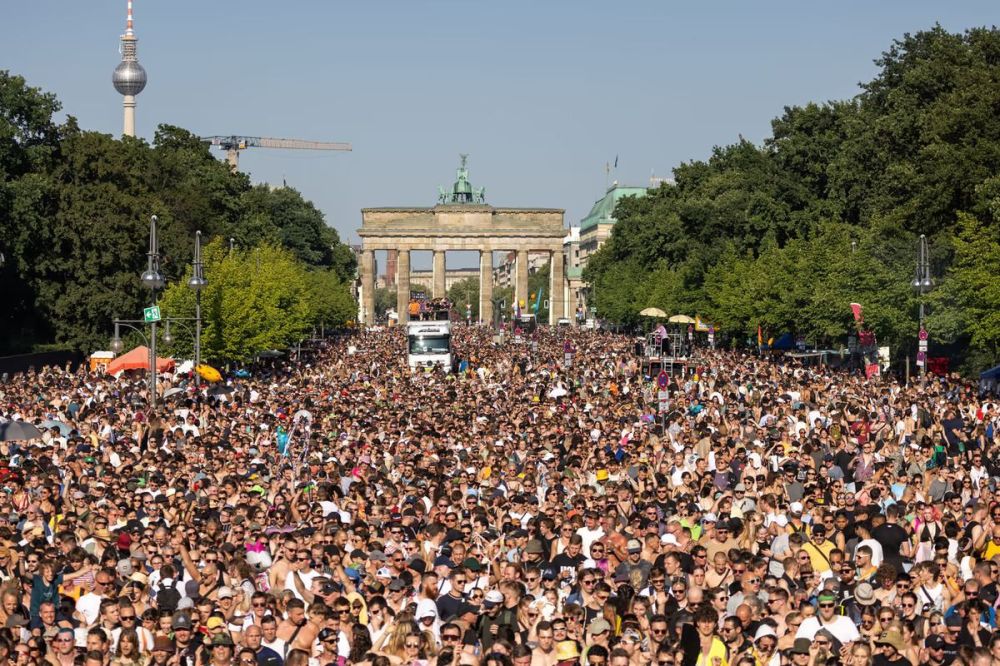
Every year on 21 June, the summer solstice turns Berlin into one enormous open-air concert hall. The streets fill with jazz trios, the parks with classical ensembles, reggae bands, and choirs nobody has heard of yet and everyone is welcome, with no ticket required
This is Fête de la Musique, and in 2026, around 300 stages will spread across all 12 districts making it one of the biggest free music events in Europe. No headliner queues. No wristbands. Just the longest day of the year and a city that refuses to stay quiet.
What Is Fête de la Musique Berlin?
The festival originated in France in 1982, built on a simple idea: music belongs in public and the summer solstice belongs to everyone. Berlin adopted it in 1995 and today it’s organised by Musicboard Berlin on behalf of the Senate Department for Culture, which means it’s fully publicly funded, free to attend, and rooted in the city rather than a commercial machine.
Amateurs and professionals perform side by side. A conservatory graduate might play Debussy in a courtyard two doors down from a bedroom producer running a modular synth on the pavement. That unpredictable mix is the whole point.
From 2pm, the city opens up outdoors. From 10pm, the Fête de la Nuit takes over, performances move into clubs, bars and cultural venues, still free, running until whenever the night decides to stop.
The Partner District: Reinickendorf
Each year since 2018, Musicboard Berlin spotlights one district outside the city centre to draw audiences somewhere they might never otherwise go. Past districts include Neukölln, Pankow and Friedrichshain-Kreuzberg. In 2026, Reinickendorf takes the stage.
Berlin’s green northern borough hosts performances across Tegel, Borsigwalde, Frohnau, Heiligensee, Hermsdorf, Wittenau and the Märkisches Viertel, a genuinely different side of the city, built around Lake Tegel and tree-lined residential streets rather than tourist infrastructure.
If you want to experience the Fête the way locals do, spreading out a picnic blanket on the grass in Reinickendorf is worth the extra U-Bahn stop.
Best Areas to Explore by Vibe
The beauty of Fête de la Musique is that there’s no single right place to be. Use this as a loose guide, then follow your ears:
- Friedrichshain / Kreuzberg: The festival’s spiritual heartland. Revaler Straße, Karl-Marx-Allee and the backstreet courtyards pile up stage after stage. Best for electronic, indie and staying out until sunrise at the Fête de la Nuit.
- Mitte / Unter den Linden: Landmark backdrop, mixed genres. Potsdamer Platz runs its own program with live music plus a free children’s art workshop from 3pm, making it the most family-friendly hub in the city.
- Prenzlauer Berg / Pankow: Neighborhood squares, café terraces, a more relaxed afternoon pace. Good for jazz, choral, and anything acoustic.
- Spandau: The historic old town hosts stages within the medieval district. Surprisingly atmospheric and far less crowded than Mitte.
- Reinickendorf: This year’s spotlight district. Come for a late afternoon, combine with a walk around Lake Tegel and catch a side of Berlin that rarely makes the tourist trail.
How to Do the Day Right: A Suggested Itinerary
The concerts don’t start until 2pm, which means the morning is yours.
Berlin is a city that rewards walking. Its landmarks sit within a relatively tight arc: Brandenburg Gate, the Reichstag, the Memorial to the Murdered Jews of Europe, Checkpoint Charlie, the Berlin Wall. Each one carries the weight of a century that feels different when you’re standing in front of it rather than reading about it.
One of the most effective ways to cover this ground especially on a first visit is a walking tour through the historic centre. A good guide doesn’t just point at monuments; they fill in the gaps, tell you which café nearby has the best Berliner and explain why the Wall still feels like a wound even three decades after it fell. You arrive at 2pm with context, and the city makes more sense.
The Rude Bastards Tour by Can You Handle It? Tours is a free 3.5-hour walking tour that covers the Brandenburg Gate, Reichstag, Hitler’s Bunker site, Checkpoint Charlie and Gendarmenmarkt, among others. It’s donation-based, runs daily and starts at KERB Berlin, Potsdamer Str. 2, 10785 Berlin (inside the Sony Center) which puts you perfectly placed to catch the Potsdamer Platz stage when the music kicks off at 2pm.
Sample day: Morning → Walking Tour (3.5 hrs) → Lunch in Mitte → 2pm Potsdamer Platz stage → drift east toward Friedrichshain → 10pm Fête de la Nuit
Practical Tips
Use the official program filter. The fetedelamusique.de programme lets you filter by district, genre and time, worth 10 minutes the night before.
- Pick a neighborhood, not a schedule. Over-planning kills the Fête. Arrive in a district, follow the sound, discover something unexpected.
- Acoustic street music is everywhere. A special city-wide permit allows spontaneous performances on public streets, squares and parks.
- Use public transport. Berlin’s U-Bahn and S-Bahn connect every festival district. A day ticket is worth it.
- Arrive early at Mitte and Friedrichshain stages. Popular spots fill up as the evening builds.
- Wear comfortable shoes. This is a walking festival as much as a music festival.