
Cologne Cathedral (Kölner Dom): Visitor Guide
Cologne Cathedral (Kölner Dom) is a Gothic masterpiece in the heart of Cologne and Germany’s most visited landmark, drawing over 6 million visitors every year. Construction began in 1248, paused for centuries, and wasn’t completed until 1880 — making it one of the longest building projects in European history. Today, the cathedral is a UNESCO World Heritage Site and the undisputed centerpiece of any visit to Cologne.
The area surrounding the cathedral is known as the Domplatte — a massive pedestrian plateau that serves as the city’s “kilometer zero.” It’s the starting point for almost every walking tour in Cologne and the best place to feel the city’s pulse.
This guide covers everything you need to plan your visit — from opening hours and the famous tower climb to the details most visitors overlook. It’s based on what we share with guests every day as local guides in Cologne.
What Makes Cologne Cathedral Special
The Kölner Dom is the tallest twin-spired church in the world at 157 meters. Its Gothic faсade — covered in hundreds of individual stone figures — took so long to complete that the lower sections are visibly darker than the upper parts, stained by over a century of industrial soot. That contrast tells the cathedral’s story at a glance.
The Shrine of the Three Kings
Behind the high altar sits the Shrine of the Three Kings, a golden reliquary from the 12th century. This masterpiece of medieval goldwork originally made the cathedral one of the most important pilgrimage sites in Europe and is the reason the current Gothic structure was built.
The Gerhard Richter Window
Inside the south transept, you’ll find the famous Richter Window. Installed in 2007, this modern, pixelated design by world-renowned artist Gerhard Richter consists of 11,500 squares of glass in 72 colors. It sparked years of debate among locals but remains a stunning example of how the cathedral blends the ancient with the contemporary.
Stop Reading, Start Exploring (for 0€)
Don’t waste your trip on dry history and boring dates. Join Cologne’s #1 rated walk to hear the legends, laugh at the stories, and see the Cathedral like a local. Book your spot for free—pay what you feel it’s worth at the end.
The Tower Climb
The south tower is open to visitors who are willing to tackle the 533 narrow, spiraling steps. There is no elevator. The staircase is tight and can get crowded during peak hours, but the reward is a 360-degree panorama over the Rhine River, the Old Town, and on clear days, as far as the Siebengebirge hills south of Bonn.
The Great Bell: St. Petersglocke
As you climb, you’ll pass the belfry housing the St. Petersglocke (affectionately called “Dicker Pitter” by locals). Weighing 24 tons, it is the largest free-swinging bell in Germany (and one of the largest in the world). If you’re lucky enough to be on the stairs when it rings, the vibration is an experience you won’t forget.
The best time to climb is early morning (before 10:00) or late afternoon. Midday queues can stretch to 30 minutes or more in summer. Allow about 30 minutes for the climb itself, plus time to enjoy the view at the top.
Visiting the Interior
The cathedral interior is free to enter and open daily. A walk through the main nave takes roughly 20–30 minutes at a relaxed pace. Photography is allowed inside the cathedral (no flash).
The Cathedral Treasury (Domschatzkammer)
For a deeper visit, the Cathedral Treasury in the basement houses medieval goldwork, textiles, and liturgical objects dating back over a thousand years. It requires a separate ticket and offers a fascinating look at the cathedral’s immense wealth and history.
Important Logistics & Dress Code
Important Note for Sunday Visitors: While the cathedral is open daily, sightseeing inside the nave is generally restricted on Sundays and public holidays until after 1:00 PM due to morning services. Always check the official notice board at the main entrance for the day’s specific schedule.
As the Kölner Dom is an active place of worship, please remember to dress respectfully. Shoulders and knees should be covered, and men are required to remove their hats upon entering.
History at a Glance
The first church on this site dates to the 4th century. The current Gothic cathedral was started in 1248. Construction halted in 1473 with a massive crane sitting on top of the unfinished south tower — that crane became a symbol of the Cologne skyline for over 400 years. Work resumed in 1842 and was finally finished in 1880.
During World War II, the cathedral suffered 14 direct bomb hits but remained standing while the city center was destroyed. The fact that it survived became a powerful symbol of hope. Restoration is continuous — the cathedral’s stonemasons (Dombauhütte) work year-round replacing eroded stone blocks. For more on the city’s past, see our Cologne history guide.
Quick Facts
| 📍 Location | Domkloster 4, 50667 Köln — directly at Hauptbahnhof |
| ⏰ Opening hours | Daily 6:00–21:00 (Nov–Apr until 19:30) |
| 💰 Admission | Cathedral free; Tower €6; Treasury €6; Combo €9 |
| 🚶 Tower climb | 533 steps, no elevator, ~30 min up & down |
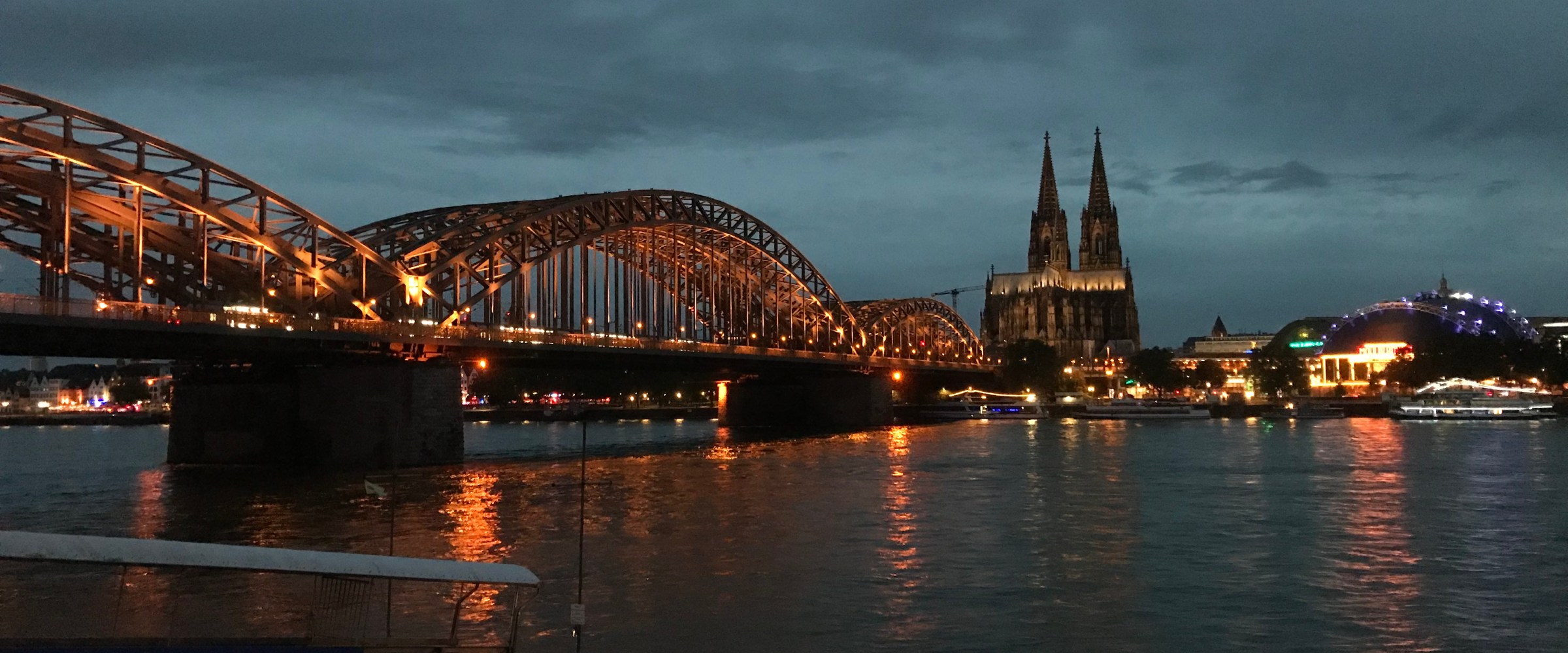
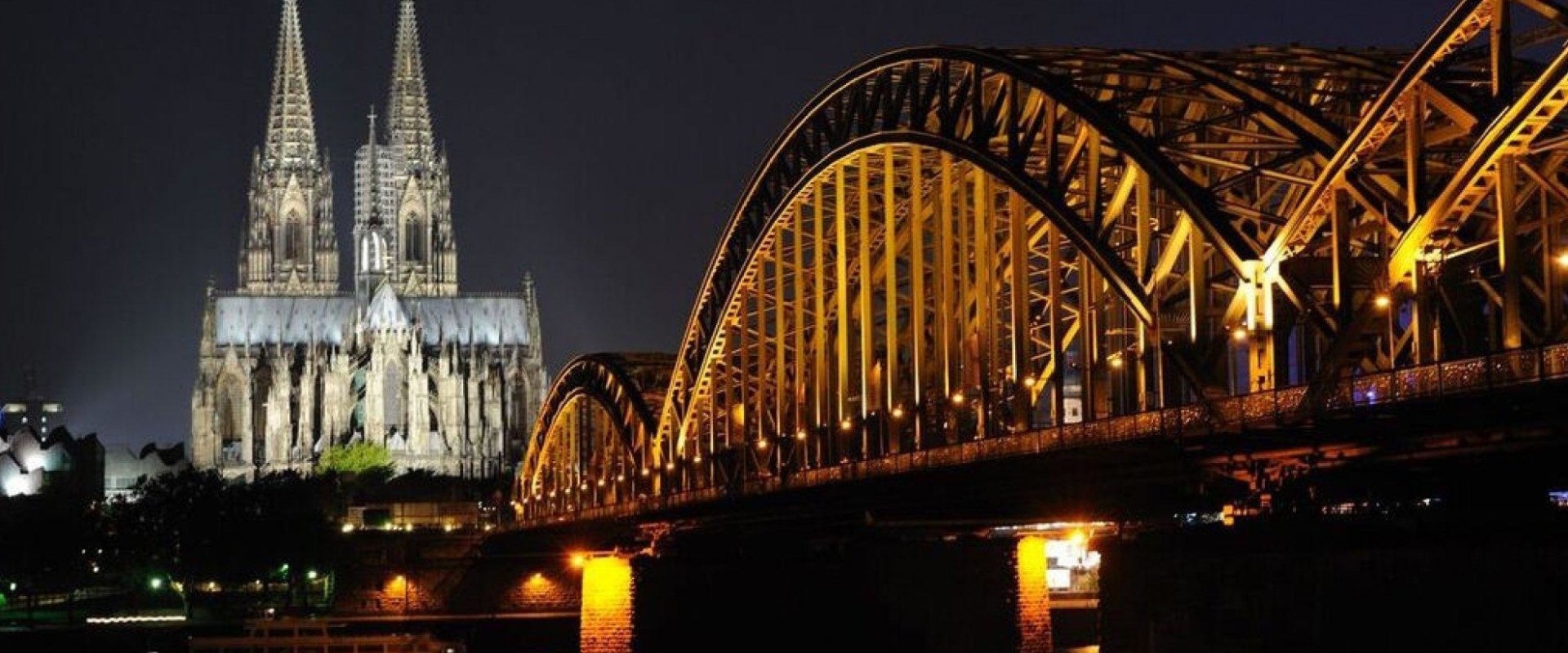
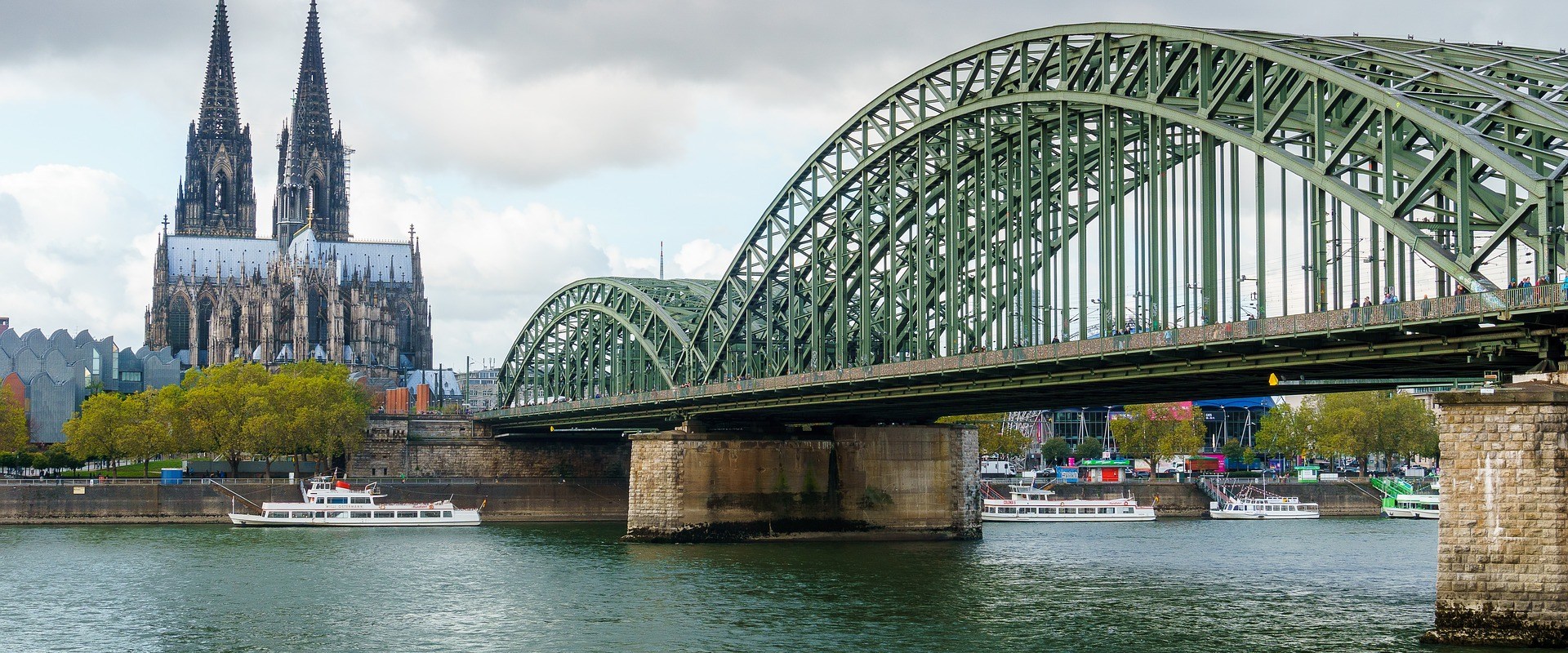
| 📷 Best photo spot | Hohenzollern Bridge at sunset |
| 💡 Insider Tip | Arrive before 10:00 to avoid the biggest crowds |
Frequently Asked Questions (FAQ)
-
Yes. Entering the cathedral and exploring the main nave is completely free, every day. You only need a ticket for the tower climb (€6) or the Treasury (€6). A combination ticket for both costs €9.
-
About 20–30 minutes for the interior. Add another 30 minutes if you climb the tower, and 45–60 minutes for the Treasury. A thorough visit including everything takes around 2 hours.
-
Absolutely — if you’re reasonably fit. The 533 steps are narrow and steep, but the panoramic view over the Rhine and the city is one of the best in Cologne. Go early in the morning or late afternoon to avoid queues.
-
The cathedral is built from a soft limestone that erodes in rain and pollution. The Dombauhütte (cathedral workshop) has been replacing damaged stones continuously since the Middle Ages. As locals say: “When the Dom is finished, the world will end.”
Explore More Cologne Guides
-
- Roman Ruins — Cologne’s 2,000-year-old Roman heritage
- Best Museums — From medieval art to modern Pop Art
- Free Things to Do — A budget-friendly day in Cologne
Want the full story behind the Cathedral?
Our walking tours start right here at the Dom and cover the history, secrets, and local legends that you won’t find in any guidebook.