
Belgian Quarter Cologne: Vintage Shops, Third-Wave Coffee & Veedel Vibe
The Belgian Quarter (Belgisches Viertel) is Cologne’s most creative and trend-setting neighborhood. Defined by its stunning late 19th-century architecture (Gründerzeit), tree-lined streets, and independent spirit, this is the heart of the city’s alternative culture.
Located between Aachener Straße and Venloer Straße, the quarter is a masterclass in urban living. While the neighboring busy thoroughfares are dominated by global commerce, the inner streets of the Belgian Quarter remain a sanctuary of independence—a zone where family-run boutiques, third-wave roasteries, and independent art galleries thrive.
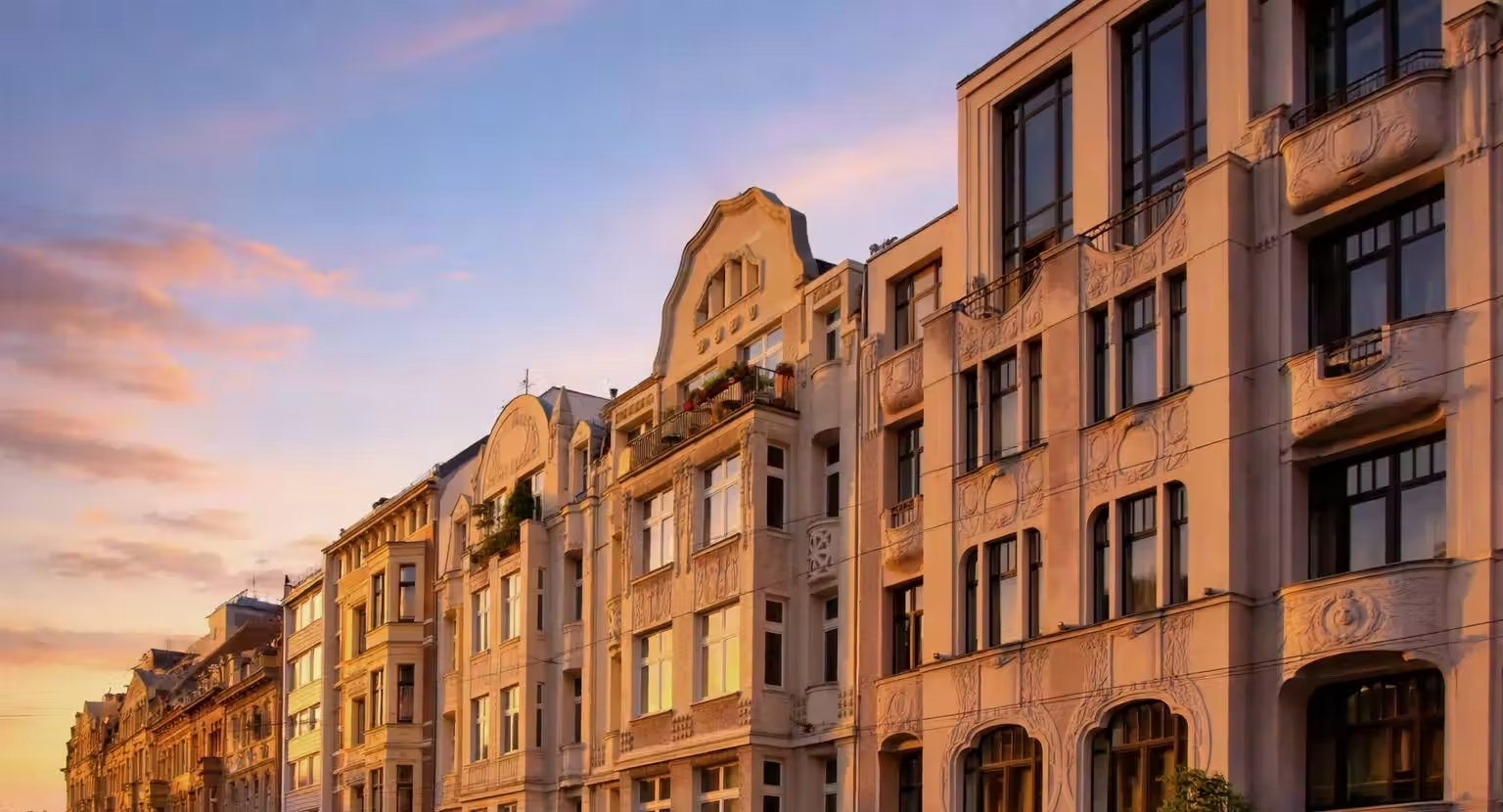
Brüsseler Platz: The Soul of the Veedel
You cannot understand the Belgian Quarter without spending an hour at Brüsseler Platz. This square, anchored by the Neo-Romanesque St. Michael church, is the city’s premier social hub.
The Local Ritual: Don’t look for a waiter or a menu here. Join the locals at a nearby Kiosk (Späti)—like the famous one on the corner of Maastrichter—buy a cold bottle of Kölsch, and take a seat on the church steps or the curbside. In Cologne, this is called “Cornern,” and it’s the most authentic way to experience the neighborhood’s social fabric.
Shopping: Curated Vintage & Independent Design
Shopping in the Belgian Quarter is about discovery. The best spots are tucked away on Maastrichter, Antwerpener, and Brüsseler Straße.
- Local Concept Stores: Visit Schee for local art prints and interior design, or Magasin Populaire for a hand-picked selection of European fashion labels. These shops are the antithesis of high-street shopping.
- Vintage Scene: The quarter is a goldmine for vintage lovers. Picknweight (kilo store) and Vintage Emde are legendary for their curated 70s and 80s collections.
- Records & Books: Don’t miss Groovy, a staple for vinyl collectors that has survived the digital age by being a community anchor.
Coffee & Gastronomy
The Belgian Quarter is the undisputed capital of Cologne’s food culture and third-wave coffee.
- Hommage: Located on Maastrichter Str., this tiny cafe is famous for its rustic decor, excellent espresso, and signature pancakes. It’s the quintessential Belgian Quarter spot.
- Balthasar: A slightly more polished neighborhood classic with great views of the street life.
- Hallmackenreuther: A retro-icon on Brüsseler Platz. With its mid-century modern furniture and floor-to-ceiling windows, it’s the perfect place for a “Kaffee und Kuchen” that turns into evening drinks.
Warning: Not Your Grandma’s City Walk
If you want “pretty” pictures and polite stories, look elsewhere. We tell the unfiltered truth about Cologne’s underground, street art, and gritty legends. 100% Raw. 100% Local. 0€ to book.
Street Art & Culture
The neighborhood is an open-air gallery.
- Maastrichter Straße: Keep your eyes peeled for massive murals by artists like Mutel and international guests from the CityLeaks festival.
- Creative Hubs: Explore the backyards (Hinterhöfe). Many of the old townhouses hide small design studios and galleries that are open to the curious visitor.
Nightlife: Bars, Not Clubs
The Belgian Quarter’s nightlife is intentionally low-key. You won’t find massive techno clubs here; instead, it’s about sophisticated cocktails and traditional “Kneipen.” Our Rude B’s Tour is an alternative city tour that covers the Belgian Quarter, LGBTQ district, and underground venues —starting right at Rudolfplatz in the heart of the neighborhood.
-
Little Link: An award-winning bar known for experimental cocktails.
-
Sixpack: A legendary, windowless bar on Aachener Straße. It’s a rite of passage for locals—expect loud music, a crowded dance floor, and Gaffel Kölsch served straight from the bottle until dawn.
-
Kneipe Eckstein: A proper Kölsch bar on the corner of Brüsseler Str. where locals drink and talk. It’s authentic, unpretentious, and has stayed exactly the same for decades.
LGBTQ+ Scene
The Belgian Quarter is a core part of Cologne’s LGBTQ+ scene. It is integrated into daily neighborhood life rather than cordoned off.
Just south of the quarter lies the Bermuda Triangle (centered around Schaafenstraße). You’ll find iconic spots like Sax Pub (on the edge of the district) and a high density of queer-owned businesses. It is one of the most welcoming and safe areas in Germany for the LGBTQ+ community.
Getting There & Around
Public Transport: Rudolfplatz U-Bahn (U1, U7, U12, U15) is your main entry point. From there, the heart of the quarter is just a 5-minute walk.
-
Walking & Cycling: The streets form a loose grid, making it very rewarding to explore on foot. Parking is notoriously difficult and expensive in this area—we highly recommend coming by bike or public transport.
-
Best Time to Visit: Wednesday to Saturday. Many independent shops are closed on Mondays and Tuesdays.
Quick Facts
| 📍 The Heart | Brüsseler Platz |
| 🚇 Arrival | U-Bahn Rudolfplatz (U1, U7, U12, U15) |
| 🚲 Best Way to Move | Bicycle or on foot |
| 📌 The Vibe | “Edgy-Bourgeois” — Creative, upscale, and independent |
Frequently Asked Questions (FAQ)
-
It is one of the most expensive residential areas in Cologne. However, for a visitor, it’s affordable. A “Kiosk-Kölsch” on the square costs about €2.50, and most galleries are free to browse.
-
Ehrenfeld (West) is grittier, more industrial, and home to the big techno clubs. The Belgian Quarter is more refined and architectural—it’s where you go for a nice dinner or a boutique shopping spree. Lindenthal (Southwest) is much more suburban and quiet.
-
Yes! Our Rude B’s Tour starts at Rudolfplatz and spends significant time in the Belgian Quarter, explaining its history of gentrification and showing you hidden street art spots you’d never find alone.
-
Yes. It’s a residential neighborhood with an active nightlife scene. Standard city awareness applies, but it’s one of the safest and most well-lit districts in Cologne. There is consistent foot traffic until the early hours, especially around Brüsseler Platz and Aachener Straße.
-
Most are physical-first. While some use Instagram or platforms like Vinted, the true Belgian Quarter experience is about the physical “hunt.” Exploring the shops in person is the only way to find limited-run local designs and curated vintage pieces.
Explore More Cologne Guides
Ready to experience Cologne beyond the typical tourist trail?
The Belgian Quarter is just one of many neighborhoods worth exploring on foot. Discover what locals actually do, where they eat, and why they stay.